Nazhoen Lamtoen began in 2014, before it became a formal organisation, as a volunteer-led effort to support young people who were trying to rebuild their lives after coming into conflict with the law.
The early work was practical and personal. It focused on helping young people regain dignity, reconnect with society and find realistic pathways back into education, work, family and community life.
This beginning shaped the organisation’s long-term approach: listening first, responding to real needs, and believing that children and young people deserve safety, guidance and another chance.
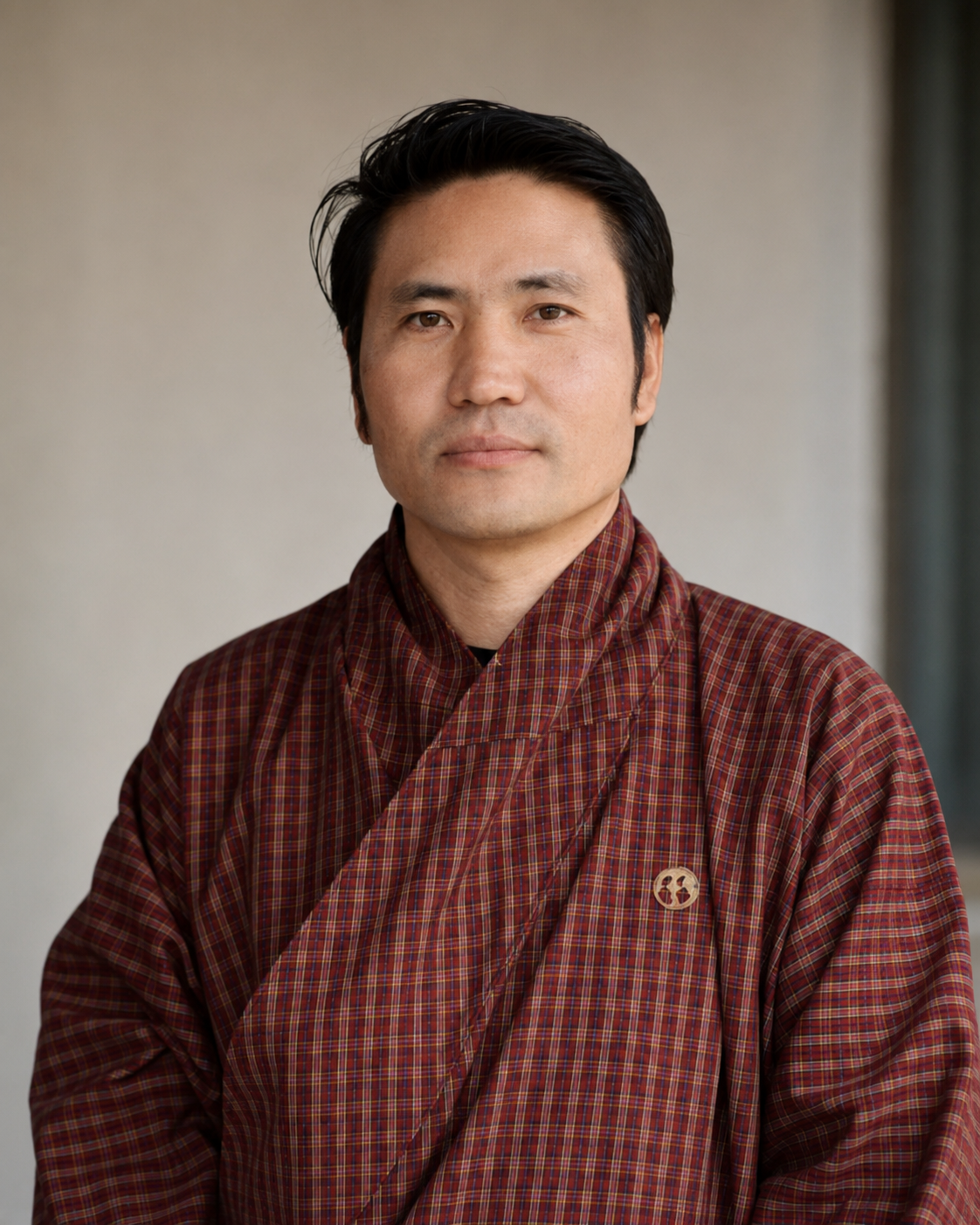
My past does not define me. It inspires me to ensure that no child is left without hope, support, and a chance to rebuild their life.
Thinley Tobgyel Founder and Executive Director
Rooted in lived experience
Thinley Tobgyel, Founder and Executive Director of Nazhoen Lamtoen, transformed his own life challenges into a lifelong commitment to protecting children in difficult circumstances.
Following the loss of his father, Thinley began using drugs at the age of 16. His substance use eventually led him into conflict with the law and contributed to years of addiction, broken family relationships, stigma and social isolation.
After his recovery, Thinley dedicated his life to helping others. He worked as a counsellor at Bhutan’s first drug rehabilitation centre, contributed to national research on substance use, and supported youth outreach and rehabilitation initiatives across the country.
In 2014, while visiting the Youth Development and Rehabilitation Centre, Thinley saw that many children in conflict with the law were, in reality, children in difficult circumstances who lacked family support, protection and meaningful aftercare following their release.
Having experienced similar struggles himself, he recognised a critical gap in Bhutan’s child protection system.
That realisation became the foundation for Nazhoen Lamtoen’s work in rehabilitation, reintegration, shelter and aftercare for children in conflict with the law and children in difficult circumstances.
Key milestones
The organisation’s development has been shaped by practical needs, lived experience, partnerships and a growing understanding of child protection in Bhutan.
Becoming a Civil Society Organisation
As the need for structured support became clearer, Nazhoen Lamtoen moved from a volunteer-led initiative to a formally registered Civil Society Organisation.
The organisation was registered with the Civil Society Organisation Authority on 17 December 2016, creating a stronger foundation for child protection, rehabilitation, reintegration and advocacy.
Formal registration allowed Nazhoen Lamtoen to work more systematically with public institutions, communities and partners, while continuing to stay close to the needs of children and young people.
Foundations: 2014 – 2016
2014 — Volunteer-led beginning Nazhoen Lamtoen began as a volunteer-led effort to support children and young people in difficult circumstances, including children in conflict with the law.
2014–2016 — Early reintegration through work and mentorship In its early years, Nazhoen Lamtoen used fruit juice cafés as a practical reintegration model, helping formerly incarcerated youth earn income with dignity while receiving mentorship, purpose and community support. Between 2014 and 2016, ten young people were reintegrated through this model.
2015 — Early organisational support takes shape With partner support, Nazhoen Lamtoen was able to set up an interim office and strengthen the practical foundations for its early work with children and young people.
2016 — Formal CSO registration Nazhoen Lamtoen was formally registered as a Bhutanese Civil Society Organisation on 17 December 2016, creating a stronger foundation for child protection, rehabilitation, reintegration and advocacy.
Expanding the work
As child protection needs became more visible, Nazhoen Lamtoen’s work expanded beyond individual reintegration support.
The organisation began developing a broader range of services, including psychosocial support, education and vocational support, residential care, family livelihood support, diversion services and child protection advocacy.
This growth reflected a wider understanding of the challenges facing children: that protection, recovery and reintegration often require support not only for the child, but also for families, communities and the systems around them.
Growth and service expansion: 2018 – 2020
2018 — Family livelihood and social protection work expands Nazhoen Lamtoen expanded livelihood and family-support work for children in difficult circumstances, helping families strengthen income, stability and protection around children.
2018 — Children’s Shelter Home becomes operational With partner support, Nazhoen Lamtoen’s Children’s Shelter Home became operational, providing safe temporary care, protection, rehabilitation and reintegration support for children facing difficult circumstances.
2020 — Happiness Centre becomes affiliated with Nazhoen Lamtoen The Happiness Centre in Phuentsholing had been operating since 2019 as an aftercare home for young people recovering from substance and alcohol use disorders. From 2020, it became affiliated with Nazhoen Lamtoen, strengthening the organisation’s wider aftercare and reintegration support.
Towards prevention and systems change
Over time, Nazhoen Lamtoen’s work also moved further upstream, placing greater emphasis on prevention, early support and stronger community-based protection.
This included working with families, local leaders, communities, public institutions and child protection partners to identify risks earlier and respond before children fall into deeper crisis.
The organisation’s story is therefore not only one of service delivery, but also one of learning, adaptation and collaboration within Bhutan’s wider child protection and social protection ecosystem.
Broadening systems and reach: 2021 – 2026
2021 onwards — Enterprise, livelihood and skills-based support develops Nazhoen Lamtoen continued developing practical enterprise, livelihood and skills-based support as part of its reintegration and sustainability work. Café initiatives were one example, alongside broader support for skills, dignity and pathways back into community life.
2022 — Diversion services are strengthened Nazhoen Lamtoen strengthened diversion work for children in conflict with the law, supporting community-based alternatives, reintegration pathways and collaboration with public institutions and partners.
2023 — Community-based child protection expands The organisation continued expanding community-based child protection work, including local prevention, awareness and response structures designed to identify risks earlier and support children closer to their communities.
2024 — Land is donated for a future children’s shelter A generous supporter donated land for a future purpose-built Children’s Shelter Home, laying the foundation for one of the most important next steps in Nazhoen Lamtoen’s shelter-care journey.
2025 — Happiness Centre receives formal community recognition The Happiness Centre – After Care Home was officially recognised as a Community-Based Organization by Phuentsholing Thromde, strengthening its credibility and role in aftercare, relapse prevention and reintegration support.
2025 — National partnership strengthens child protection work Nazhoen Lamtoen received Government of India–PTA support for the project “Community Initiative to Enhance Social Protection of Vulnerable Children in Bhutan,” strengthening its role in child protection and social welfare.
2026 — New shelter project moves into resource mobilisation Building on years of shelter-care experience, Nazhoen Lamtoen advanced the new Children’s Shelter Home project, with land documentation and design milestones completed and resource mobilisation beginning for the next stage.
A story still being written
From volunteer support to shelter care, aftercare, diversion, family support and community-based prevention, Nazhoen Lamtoen’s story has developed through practical responses to the needs of children and young people.
The organisation continues to build on this history while preparing for the next stage of its work, including a purpose-built children’s shelter and stronger community-based protection.
Its story remains guided by the same belief that shaped its beginning: every child deserves safety, dignity, guidance and the chance to rebuild.