
Family & community strengthening
Children are safer when families are supported and communities share responsibility for their wellbeing.
Strengthening support around children
Children do not grow up in isolation.
Families, caregivers and communities play a central role in shaping children’s safety, wellbeing and development. When these support systems are strong, children are more likely to remain protected, connected and able to overcome challenges.
For this reason, Nazhoen Lamtoen works not only with children themselves, but also with the families and communities that surround them.
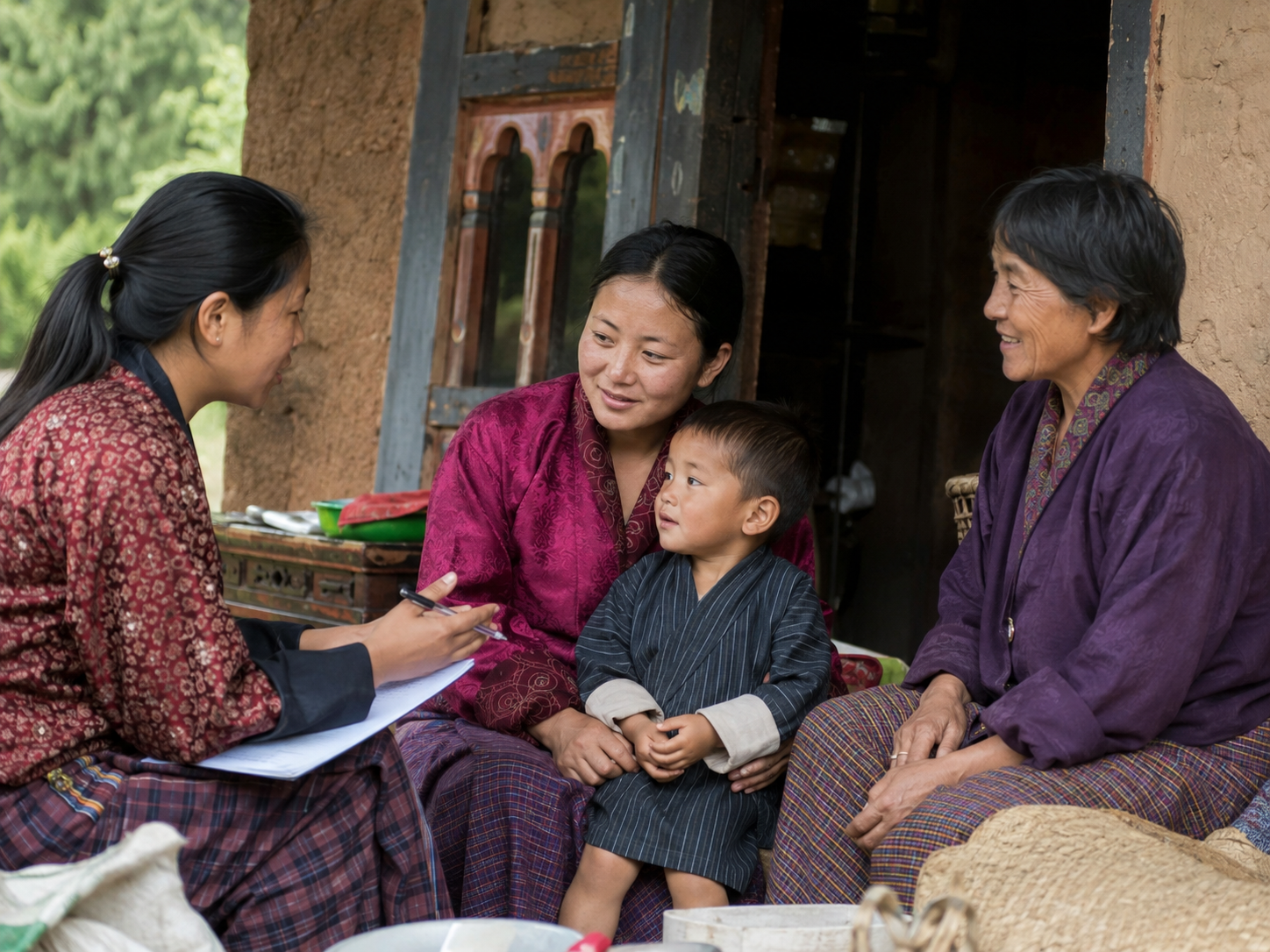
Why it matters
Many of the challenges experienced by children are linked to circumstances within their wider environment.
Economic hardship, family stress, social isolation, limited support networks and weak community protection mechanisms can increase risks for children and reduce the ability of families to respond effectively.
Addressing these factors early can help prevent situations from escalating and reduce the likelihood that children will require more intensive interventions later.
Prevention is therefore a central part of this area of work.
How we contribute
Nazhoen Lamtoen works with families, caregivers, communities and local partners to strengthen the support systems that children rely on. These efforts help create stronger support networks for children at family and community level.
The organisation’s work includes:
- Family strengthening and caregiver support.
- Livelihood and income-generation initiatives.
- Building family resilience and stability.
- Community awareness and child rights promotion.
- Community-based child protection initiatives.
- Supporting Community Child Protection Teams (CCPTs).
- Strengthening local capacity to identify and respond to child protection concerns.
- Encouraging shared responsibility for children’s wellbeing and protection.
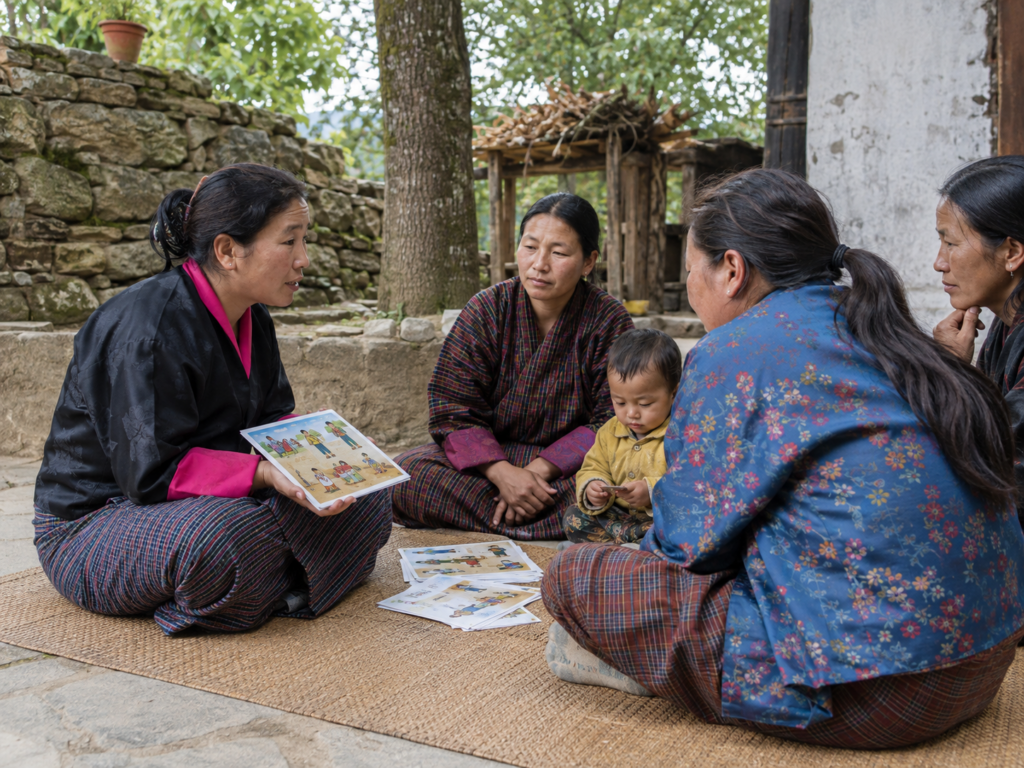
Prevention starts close to home
Families and communities are often the first places where concerns become visible.
They are also often the first places where support can make a meaningful difference.
When caregivers are supported, communities are engaged and child protection concerns are recognised early, children are more likely to receive timely assistance and less likely to experience more serious difficulties later.
Community Child Protection Teams play an important role in this approach by helping raise awareness, identify concerns and support community-based responses that protect children from harm.
Together, these efforts strengthen local protection mechanisms and contribute to safer environments for children.
Reducing risks before they escalate
Family and community strengthening contributes to many of Nazhoen Lamtoen’s broader goals.
Strong families can help reduce the factors that place children at risk. Supportive communities can help identify concerns earlier, encourage positive responses and provide assistance before situations become more serious.
By strengthening families, supporting caregivers and working alongside communities, Nazhoen Lamtoen helps reduce risks before they escalate and strengthens the conditions that allow children to remain safe, connected and supported.