Advocacy & systems strengthening
Lasting protection depends on strong services, shared responsibility and systems that work together.
Strengthening the systems that support children
Protecting and supporting children requires more than individual services and interventions.
Children depend on a wider network of systems, institutions and services that influence their safety, development and wellbeing. Families, communities, schools, service providers, civil society organisations, government agencies and the private sector all play important roles in creating protective environments for children.
For this reason, Nazhoen Lamtoen works to strengthen the broader child protection system in Bhutan.
Why it matters
No single organisation can meet every need of every child.
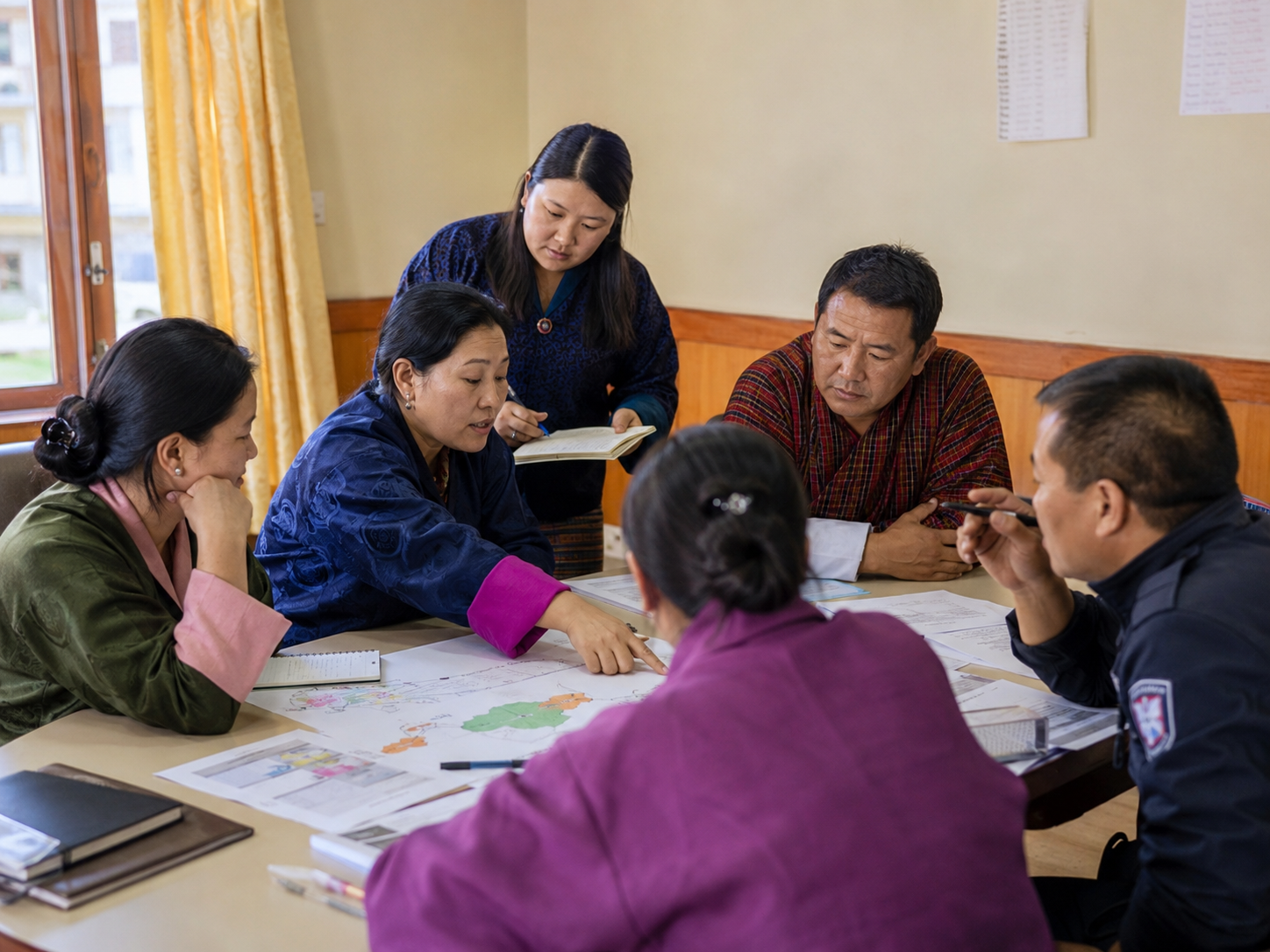
Effective child protection depends on coordination, collaboration and accessible services that work together in the best interests of children. When systems are fragmented or support is difficult to access, children and families may struggle to receive timely and appropriate assistance.
Strengthening child protection systems helps improve how different actors work together and contributes to more consistent and effective support for children across the country.
How we contribute
Nazhoen Lamtoen contributes to stronger child protection systems through advocacy, partnerships, learning and collaboration. Through these efforts, we seek to strengthen the systems that help protect children and respond to their needs.
Our work includes:
- Promoting children’s rights and wellbeing.
- Supporting advocacy efforts that strengthen child protection.
- Working with government agencies, civil society organisations and other partners.
- Contributing to coordination and collaboration across sectors.
- Supporting community and institutional capacity development.
- Promoting evidence-informed approaches through learning and experience.
- Contributing to research, dialogue and knowledge sharing.
- Building partnerships that improve support for children and families.
Strengthening connections between services
Children often require support from multiple services and stakeholders.
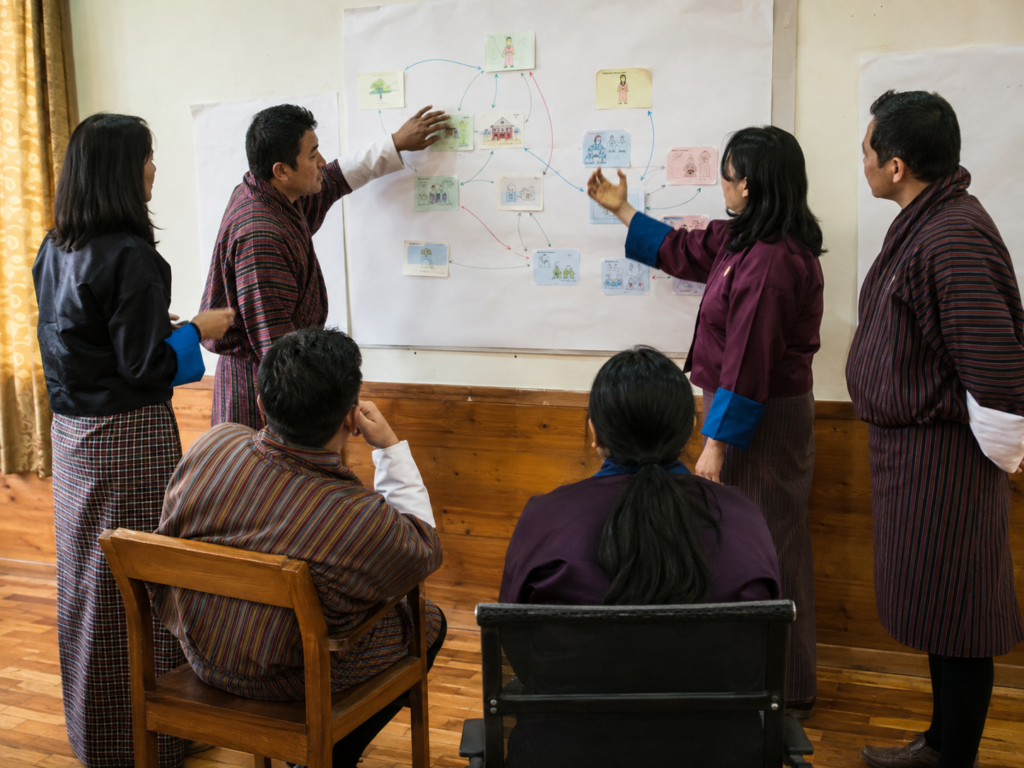
This may include schools, healthcare providers, social services, communities, families, civil society organisations and government institutions. Effective support depends not only on the quality of individual services, but also on how well these different actors work together.
This area of work includes strengthening referral pathways, supporting coordination, sharing learning and promoting approaches that improve the accessibility and effectiveness of child protection services.
By strengthening these connections, support can become more responsive, coordinated and sustainable.
Contributing to a stronger child protection system
Advocacy and systems strengthening complement all of Nazhoen Lamtoen’s other areas of work.
While direct services support individual children and families, systems-focused efforts help improve the wider environment in which child protection takes place.
By contributing to stronger partnerships, stronger services and stronger child protection systems, Nazhoen Lamtoen seeks to support lasting improvements that benefit children, families and communities across Bhutan.